

Syria is now in the midst of its annual appointment of municipal officials. It is the second round since the fall of the Assad regime, and the first major test for the new government in the sector of hyper-local governance. Last year, most municipal mayors and mukhtars were largely retained as long as there were no widespread demands for removal from their towns. At that time, the new government remained distant from the appointment process, preferring continuity over change.
Post-Assad, Damascus has shifted most local authority to the district administrative bodies which oversee these municipal officials. In 2025, these positions and their exact authorities were still being established, likely resulting in the government’s lack of involvement in (re)appointing municipal leadership. Today, however, the government is more robust and now able to carry out this duty.
Syrians have taken notice, and many are keeping a close eye on who exactly will be appointed. Amid widespread questions over the new government’s long-term intentions and competency, these appointments are being used as a litmus test for Damascus’ seriousness in supporting competent technocrats over political loyalists.
One prominent Facebook page covering news in Homs’ Houla region (officially called the Taldou District) wrote last month that, “The latest issue being discussed in the aforementioned regions is the administrative appointment of mayors, which is now the talk of the councils and the subject of negotiations.” Taldou is a mixed district with a Sunni center and Alawi, Christian, and Murshdi countryside. Significant inter-sect tensions persists as a result of the 2012 massacre against Houla’s Sunnis, and the 2025 killings of nearby Alawis.
The page warns that several pro-revolution locals of Houla are endorsing four mayoral candidates of Alawi and Christian towns, despite them “ have a history of dealing with the former regime and are party [Baath] members.” The post goes on to say they hope the District Director, “does not listen to those around him who stand to benefit from the names they are endorsing.” The subtext is clear: some Sunnis from Houla are accused of using their connections to the district administration to support specific candidates in minority villages for some form of compensation.
Concerns over corruption within the appointment process or a prioritization of loyalty over competency seem to be widespread, based on my conversations with people across western Syria last month. Heightening the stakes is the fact that this year’s appointments will also see the reinstatement of municipal and sub-district councils. These councils have not operated in most of the country since the collapse of the Assad regime. Instead, town mayors and subdistrict directors have coordinated with the district-level administrative departments on services and governance issues. Re-appointing these councils should, theoretically, strengthen local governments’ ability to address administrative and service challenges.
“It is unclear how the councils will be chosen,” one community activist in rural Tartous told me recently, “but if the government lets us elect the councils it will hugely increase trust.” Unfortunately, the government did not prepare for local elections of this sort. Instead, mayoral and council appointments are being conducted via each district director, the Ministry of Local Administration and Environment, and the governor’s office. The process for this year seems to involve district directors suggesting names to the governorate branch of the Ministry of Local Administration for study, which then presents its final suggestions to the governor for approval.
Under the Assad regime, towns elected their councils and mayors from a list of candidates approved by the Baath Party. Naturally, all of the options were Baath loyalists. In post-Baath Syria, where many governance systems still rely on Baath-era laws, locals are unclear how this year’s process will play out. “There is no clear basis for selection,” says the Tartous activist, “What are the required qualifications? How will the candidates be chosen? Right now, at the very least, they must choose the right people for the list.”
Several activists in Tartous and Latakia warned me last month that pro-Assad propaganda networks are hoping to use these selections to further undermine the government. “If the wrong people are appointed, it will have a huge backlash in our community and be manipulated by those outside the country,” one man warned. The appointment of known corrupt individuals or people without strong professional backgrounds will be used by these networks to further claim the new Syrian government is not serious about governing Alawi areas.
This dynamic is already playing out in Latakia, which began appointing new mayors last week. According to several locals I spoke with, Fadi Saqr has successfully pushed out mayors who are not loyal to him by abusing his connections with various local officials in the governorate. Among these mayors are men who have played central roles in combatting ex-Assad insurgent networks and supporting Ministry of Interior trust-building efforts in their towns. Fadi Saqr’s successful campaigns against them have further entrenched the belief among Latakia’s Alawis that Damascus has appointed Saqr as “our new warlord,” as many have expressed to me over the past year.
Syria’s new government is still suffering from a significant resource deficit and major structural deficiencies inherited from the Assad regime. Despite many criticisms to the contrary, the country remains highly decentralized, with national and even, to an extent, governorate-level authorities delegating many decisions to subordinates.
Leaders in Damascus may think that municipal appointments are an insignificant issue when compared to larger economic, foreign policy, reconstruction, and security challenges. However, it is these kinds of small details that often have outsized impacts in domestic trust building and social stability. Syrian officials should ensure that proper oversight and attention is paid to this year’s appointments to prevent a further erosion of domestic trust, while also working towards a system of local elections for next year’s appointments that would shift responsibility to the communities themselves.
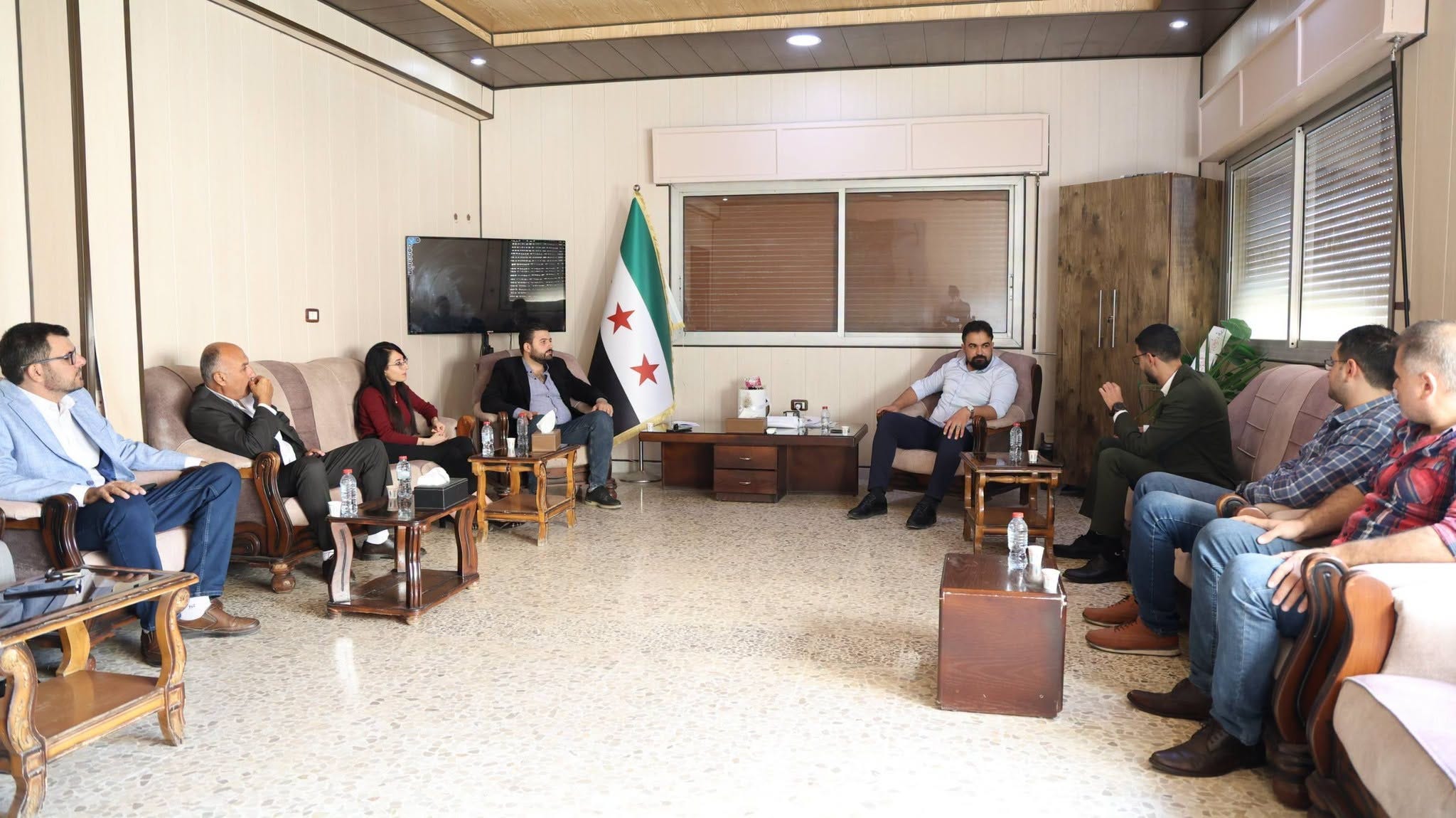
It is expected that about all of the news coverage will be dominated by 10% terrible candidates—mixed with some fake news—but there will also be signs that are genuinely concerning.