

Forty minutes northeast of Homs city sits the town of Mushrefa, a mixed-sect town in the middle of a diverse region. It served for years as a key regime base, using both Alawi locals recruited into militias as well as a military base adjacent to the town to help besiege northern Homs. During the final days of the regime, advancing opposition forces fought a brief but bloody battle at this base as they advanced south along the highway from Salamiyah. Mushrefa, a mixed town of Alawis, Christians, and Sunnis, has since led a quiet existence amid the chaotic events witnessed in other minority regions of Homs after the fall of Assad.
The town is close to the opposition bastion of Talbiseh, and the two communities have a long history of economic and personal ties. Since the fall of Assad, Sunnis from Talbiseh have reopened shops in Mushrefa, and security forces have succeeded in building a good degree of trust with locals. My recent interview transcript with one such business owner in Talbiseh explores these inter-communal dynamics from that city’s perspective.
Talbiseh's Rebirth After Assad

The northern countryside of Homs is famous for its role in the Syrian revolution and the regime’s brutal response. The cities of Rastan and Talbiseh in particular were early sites of protests and regime massacres, including one of the regime’s earliest major military operations in
Yet while there is no overt inter-sect conflict in Mushrefa, there have been no initiatives designed to repair the more subtle war-time divides between sects, particularly the problems created by the actions of Alawi militiamen against Christian and Sunni residents of the town. The lack of any transitional justice efforts whatsoever, combined with the absence of any inter- or intra-communal dialogues, have prevented the town and surrounding areas from fully healing the scars left by the regime.
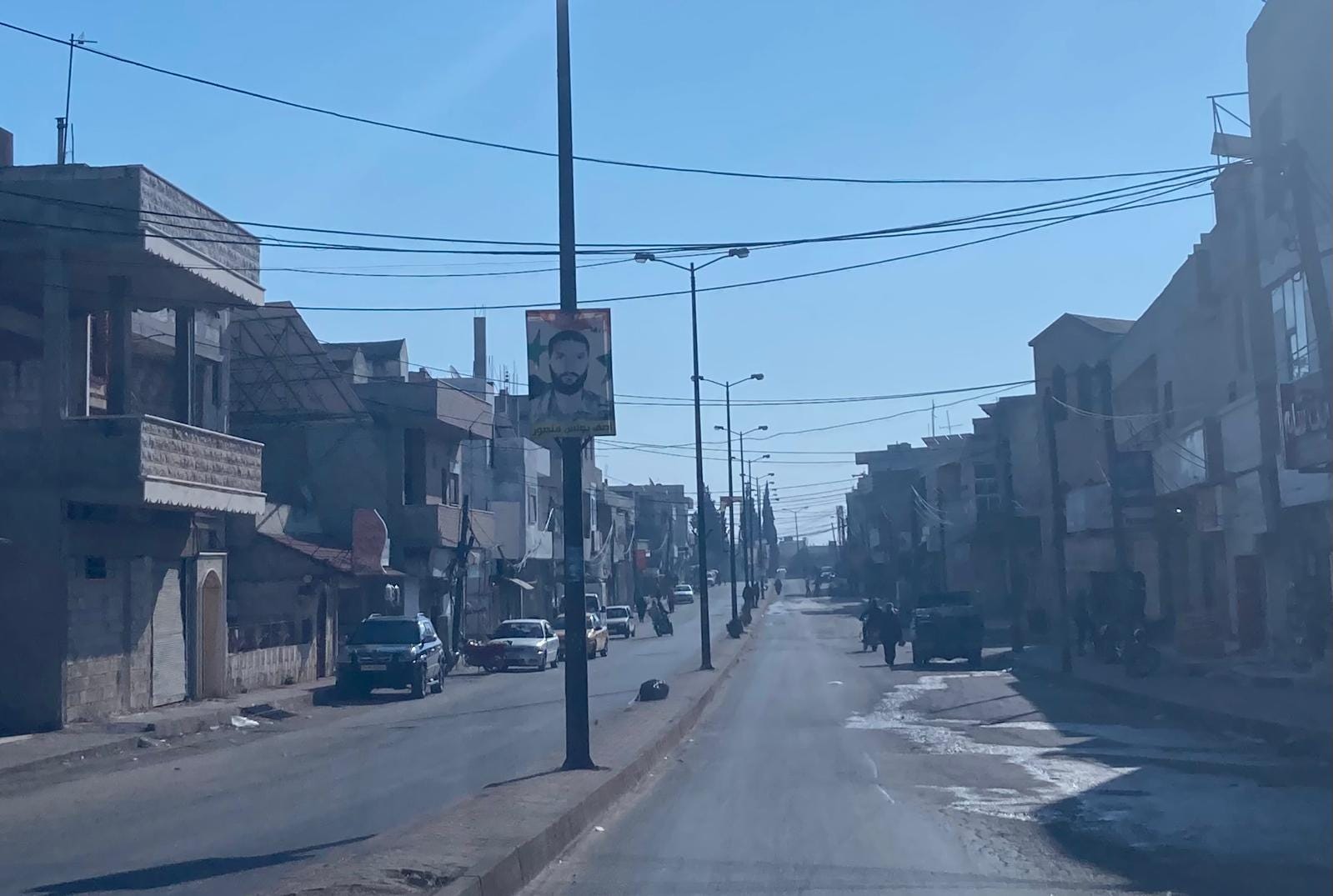
I visited Mushrefa earlier this month to learn about inter-faith relations and the town’s history after the fall of Assad. The following is an edited interview with a retired Christian engineer who works in one of the town’s churches.