This article was originally published on Syria Direct
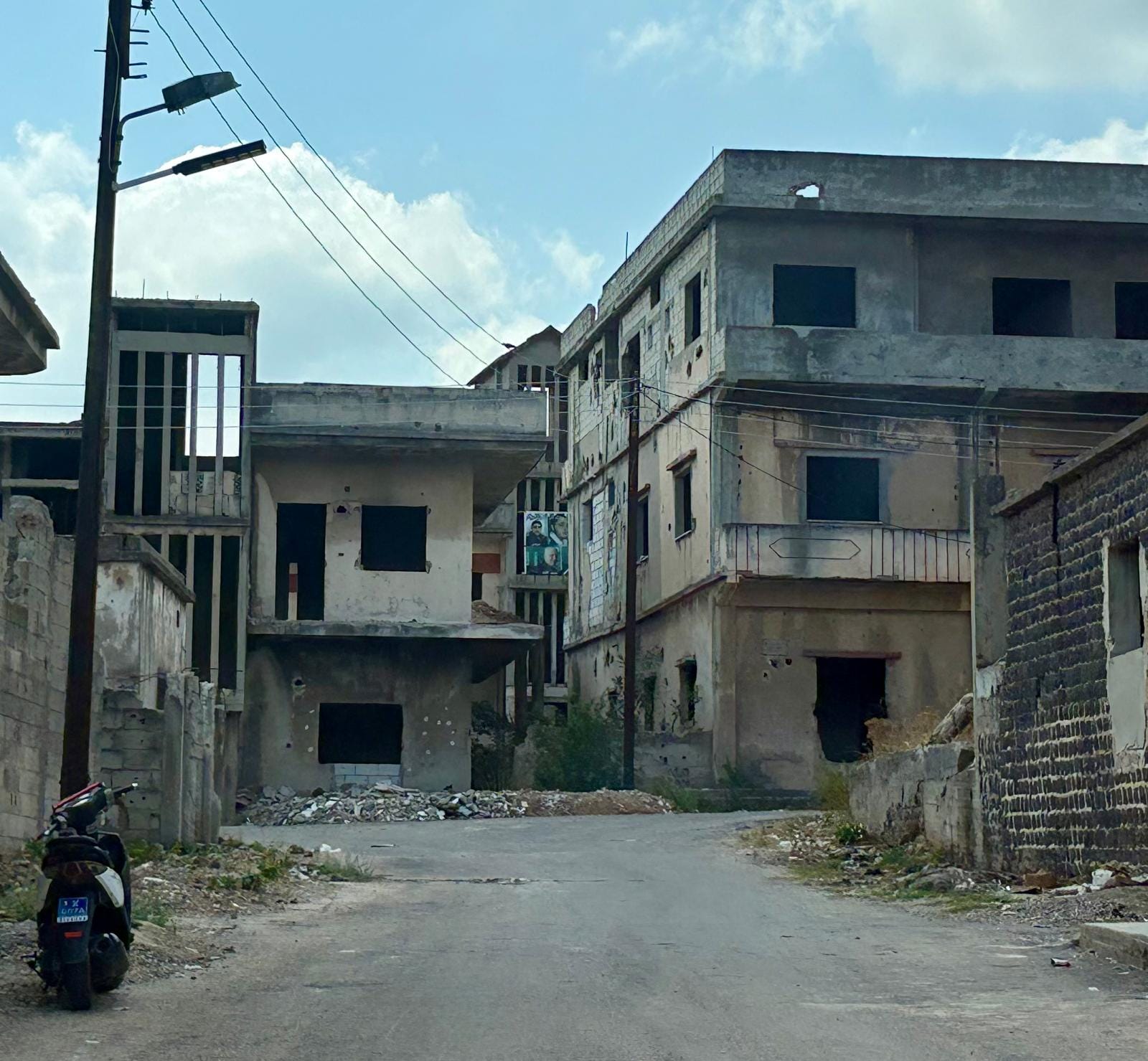
The Assad regime’s widespread detentions, killings, mass displacement and systematic looting are familiar to many families in Talkalakh. It is not a unique experience in Syria, but it was particularly personal here. Talkalakh is the largest town in western Homs province and has a mix of Sunni, Alawi, and Christian residents. Many of the crimes here were committed by men who had joined regime militias early in the war—and their targets were their neighbors. The scale of violations and the role of local people, heightened by the close proximity of sects that largely fell on opposite sides of the Syrian revolution, left many fearing the worst when the Assad regime fell on December 8, 2024.
Yet, despite its past, there has been little violence in Talkalakh over the past two years. Amid a dominant narrative of sectarian violence in postwar Syria, especially in Homs province, Talkalakh stands as an important counterexample. Many residents here have worked tirelessly since the fall of the Assad regime to rebuild their historic relations with each other and return to normal life in this restive border town. The progress made here in social cohesion and civil peace has largely been fueled by a combination of local initiatives, civil society-supported dialogues, and governance and security reforms. Talkalakh serves as an example of how locally rooted reconciliation—or at least coexistence—is possible in post-Assad Syria. Still, its future depends on whether the new authorities and civil society can continue to build on the foundations they have so far established.
You can read the full article at Syria Direct and read interview transcripts from some of my previous trips here and here.